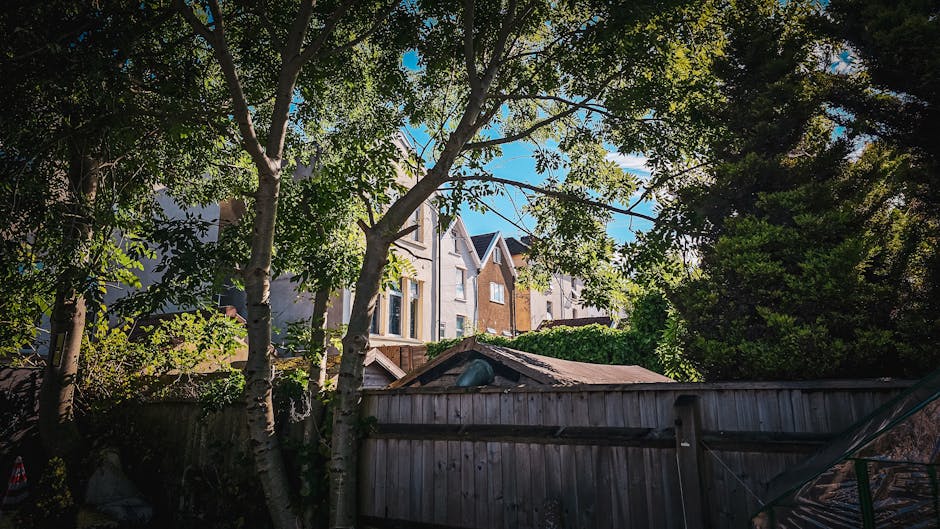
SW14 Estate Garden Care Guide for East Sheen Road Homes
If you live on East Sheen Road, you already know the gardens in SW14 can be a lovely asset and a bit of a demanding one. Mature planting, front boundaries, shared access points, compact side returns, shaded lawns, long hedges, and the odd stubborn patch of clay all ask for regular attention. This SW14 estate garden care guide for East Sheen Road homes is here to make that easier. It explains what estate garden care actually involves, how to keep a property looking cared for year-round, and which jobs are worth handling routinely rather than waiting until things get out of hand.
For many homes in this part of South West London, garden care is not just about appearance. It affects safety, neighbour relations, property presentation, and how enjoyable the outdoor space feels day to day. A tidy estate garden can make a front approach look calm and welcoming; a neglected one can quietly become expensive, frustrating, and messy. Let's face it, gardens tend to wait for nobody.
Below, you will find a practical, no-nonsense guide covering seasonal care, common issues, service options, compliance considerations, and a realistic checklist you can actually use. If you want to understand how regular upkeep connects with broader support such as garden maintenance, lawn mowing, hedge trimming, and garden clearance, you are in the right place.
Table of Contents
- Why SW14 Estate Garden Care for East Sheen Road Homes Matters
- How SW14 Estate Garden Care Works
- Key Benefits and Practical Advantages
- Who This Is For and When It Makes Sense
- Step-by-Step Guidance
- Expert Tips for Better Results
- Common Mistakes to Avoid
- Tools, Resources and Recommendations
- Law, Compliance, Standards, or Best Practice
- Options, Methods, or Comparison Table
- Case Study or Real-World Example
- Practical Checklist
- Conclusion
- Frequently Asked Questions
Why SW14 Estate Garden Care for East Sheen Road Homes Matters
Estate garden care is the ongoing management of larger or more visible gardens so they stay healthy, safe, and presentable. For East Sheen Road homes, that often means balancing ornamental planting with practical maintenance: keeping borders clean, controlling hedges, maintaining lawns, and making sure pathways, gates, and access routes remain usable.
In a neighbourhood like SW14, the garden is often part of the first impression. Front gardens and visible side spaces are seen by visitors, delivery drivers, neighbours, and passers-by. A garden that looks cared for tends to lift the whole property. A garden that is overgrown, patchy, or cluttered can make even a well-kept house feel less looked after. Bit unfair, perhaps, but true.
There is also a practical side. Overgrown hedges can block light and sightlines. Poor drainage can turn lawn edges into soggy strips. Unchecked leaves and debris can make paths slippery. Tree growth close to boundaries can create friction between properties. Small issues are easy to ignore right up until they become the sort of problem that needs a bigger, costlier intervention.
For homes on or near East Sheen Road, estate garden care is usually about consistency rather than dramatic redesign. The best results often come from modest, repeated tasks done well. That is the quiet trick. Not glamorous, but it works.
How SW14 Estate Garden Care Works
At its core, estate garden care follows a simple pattern: inspect, prioritise, maintain, and review. The job is less about one-off tidy-ups and more about a rhythm that keeps the garden from slipping into catch-up mode. A good routine usually starts with a walk-around to identify what needs attention now and what can wait a week or two.
In a typical SW14 setting, the work may include lawn care, hedge cutting, pruning, weed control, leaf clearance, border maintenance, trimming back overhanging growth, and checking whether any garden structures or surfaces need attention. If the space includes more complex features, you might also need landscaping support or even practical upgrades through landscape gardening.
For homes with timber features, steps, or seating areas, garden care can extend to surface upkeep too. If a deck has become slippery or weathered, a service such as decking services may be relevant. And if the garden has become unmanageable after a long spell of neglect, a proper reset through garden clearance may be the most sensible starting point.
Most homeowners do best with a split approach: routine maintenance for recurring tasks, plus occasional heavier work for seasonal or problem areas. That keeps the space tidy without turning garden care into an endless weekend project. Because nobody really wants to spend every Saturday morning wrestling brambles, do they?
Key Benefits and Practical Advantages
The benefits of structured estate garden care are broader than neatness alone. Yes, a tidy garden looks better, but the real value comes from stability. You prevent small problems from multiplying. You keep plants healthier. You reduce the chance of larger repair work later on.
- Better visual presentation: Clean edges, trimmed hedges, and healthy grass make a property feel cared for.
- Improved safety: Clear paths and controlled growth reduce trip hazards and low-visibility issues.
- Healthier planting: Regular pruning and seasonal care support stronger growth and better flowering.
- Lower long-term cost pressure: A little regular work is usually cheaper than letting things become overgrown or damaged.
- Reduced neighbour tension: Boundary growth, leaf fall, and access issues are easier to manage when attention is regular.
- More usable outdoor space: A garden that is maintained properly gets used more often. Simple as that.
There is also a less obvious benefit: peace of mind. When a garden is handled consistently, you stop mentally carrying it around. You do not keep looking at the hedge thinking, "I really should deal with that." That low-level guilt, oddly enough, is part of the burden. Regular care clears that away.
Who This Is For and When It Makes Sense
This kind of care guide is useful for a few different groups. Some East Sheen Road homeowners have formal-looking front gardens that need a polished, always-ready appearance. Others have family gardens that need to be safe, practical, and resilient through busy weeks. Landlords and property managers may need to keep outdoor areas presentable between tenancies or before viewings. And some residents simply want their garden to stop becoming a seasonal headache.
It makes sense to invest in estate garden care if any of the following sound familiar:
- the hedge seems to need trimming every time you look at it
- the lawn never quite looks even, no matter what you do
- leaves, seed heads, and cuttings keep building up
- boundary growth is starting to affect light or access
- you want the garden to look consistently tidy, not just after a big effort
- you have a mature garden with more moving parts than a simple suburban lawn
It may also be the right move if your time is limited. Truth be told, many homeowners know what needs doing; they just cannot keep pace with it. Hiring help is not a defeat. It is often the sensible option.
If you are not sure what level of support you need, the broader overview on services overview can help you see how different jobs fit together.
Step-by-Step Guidance
A reliable garden care routine does not need to be complicated. What matters is sequence and consistency. Here is a practical way to manage it.
- Start with a full inspection. Walk the space slowly. Look for overgrowth, dead material, uneven lawn areas, blocked drainage, moss, poor light, broken edges, and anything that looks unsafe.
- Separate urgent work from routine work. If something is blocking access, damaging a structure, or creating a hazard, deal with that first. Everything else can be scheduled.
- Cut back and clear. Remove dead growth, light debris, and unnecessary bulk. This helps you see the real shape of the garden again.
- Shape the key features. Tidy hedges, edge lawns, and define borders. These small jobs give the biggest visual return for the least drama.
- Check the soil and planting conditions. If the area is dry, compacted, waterlogged, or shaded, choose plants and maintenance methods that suit it.
- Mulch or refresh borders where useful. This can improve moisture retention and reduce weed pressure. It also makes the garden look instantly more finished.
- Review access and seasonal pressures. Think about leaf fall, spring growth, summer watering, and winter slippery patches.
- Set a repeating schedule. Weekly, fortnightly, monthly, and seasonal tasks should each have their place. Otherwise everything drifts.
In practice, most gardens benefit from a simple seasonal rhythm:
- Spring: cleanup, pruning, feeding, edging, and repairing winter damage
- Summer: mowing, watering, weeding, hedge control, and general presentation
- Autumn: leaf clearance, border tidy-up, and preparing for wetter weather
- Winter: structural checks, cautious pruning, and keeping paths and access clear
A small note from experience: if you are tackling a long-neglected garden, do not try to "fix everything" in one go. That is how people end up with a broken back and half a wheelbarrow full of cuttings at dusk. Work in stages. It is calmer and usually better.
Expert Tips for Better Results
The best estate gardens are not always the most elaborate. They are usually the ones with a few disciplined habits behind them. A couple of practical refinements can make an enormous difference.
Keep edges sharp. Lawn edges and border lines create structure. Even a modest garden looks more intentional when the outlines are crisp. It is one of those small things people notice without realising why.
Trim hedges before they become blunt objects. Hedges that are cut little and often tend to look denser and healthier. Waiting until they become oversized usually means more stress on the plant and more waste to remove. If the growth is substantial, a professional hedge trimming visit is often the cleanest solution.
Do not overwater because you feel guilty. A surprisingly common mistake. Wet soil is not always happy soil. Check the conditions first, especially during muggy stretches when the surface can look dry but the roots are still fine.
Use the right cut for the job. Lawn mowing is not the same as clearing rough growth, and pruning is not the same as hacking things back. The difference matters for plant health and appearance.
Leave room for the garden to breathe. Crowded beds, congested borders, and smothered shrubs often look tired because they are fighting for space. Selective thinning can refresh a whole area.
Think in layers. A garden works better when ground level, mid-height planting, and taller structural elements all feel balanced. If one layer dominates, the whole space can feel awkward.
And one more thing: take photos before and after major work. Not for vanity. For memory. Gardens change slowly, so it helps to see what improvement looks like when you are in the middle of it.
Common Mistakes to Avoid
Most garden trouble comes from a handful of very ordinary mistakes. The good news is that they are fixable.
- Waiting too long between visits: Growth compounds. So does mess.
- Cutting too much at once: Heavy pruning at the wrong time can weaken plants or leave them looking bare.
- Ignoring drainage and soil condition: A neat surface does not help if the ground below is waterlogged or compacted.
- Leaving arisings piled up: Cuttings, leaves, and branches should be removed or composted properly, not left to rot in corners.
- Using the same routine all year: What works in May may be wrong in November.
- Overlooking boundary growth: What starts as a small overhang can become a neighbour issue very quickly.
- Choosing appearance over plant health: A garden should look good, yes, but not at the expense of stressed plants or poor structure.
For bigger clear-outs, the right starting point is often garden clearance, followed by a gentler maintenance plan. If the area has become genuinely unruly, trying to nibble at it bit by bit can feel endless. Sometimes a reset is just cleaner. No shame in that.
Tools, Resources and Recommendations
You do not need a shed full of specialist kit to maintain a good garden, but the right basics help. For homeowners who prefer a hands-on approach, the following are usually worth having:
- sharp secateurs for small pruning tasks
- hedge trimmers for regular shaping work
- a mower suited to the lawn size and terrain
- rakes, forks, and sturdy gloves for clearing and tidying
- basic edging tools for defining paths and borders
- tough bags or bins for collected green waste
That said, tools only matter if the timing is right and the job is realistic. A mower will not rescue a lawn that has not been touched for months, and a pair of secateurs will not fix a large boundary hedge on a damp afternoon when the wind is doing its own thing. Sometimes the smarter choice is to book support through garden maintenance rather than turning a weekend into a small ordeal.
For residents who care about waste handling and garden sustainability, it is worth thinking about how cuttings, branches, and cleared materials are managed. The page on recycling and sustainability is a helpful reference point if you want your garden work to be cleaner and more responsible from the outset.
If you are comparing broader service support, the team page at about us can also help you understand the values and approach behind the work.
Law, Compliance, Standards, or Best Practice
Garden care in SW14 is usually straightforward, but there are still sensible standards to keep in mind. You do not need to turn it into a legal dissertation, thankfully, but a little awareness goes a long way.
Boundary and overhanging growth: If branches, hedges, or climbers cross boundaries, it is best to address them carefully and respectfully. In a shared-responsibility setting, communication matters as much as the cut itself. Good practice is to avoid damaging the plant unnecessarily and to keep the relationship with neighbours intact.
Waste handling: Green waste should be dealt with responsibly. Leaving it dumped, burned without proper consideration, or scattered around access areas is poor practice and can create nuisance. A professional service should have a sensible disposal process and clear expectations around recycling where possible.
Safety: Ladders, chains, powered tools, and slippery surfaces all need proper handling. If a job feels borderline unsafe, it probably is. The relevant support pages on health and safety policy and insurance and safety are worth noting when choosing a provider.
Property presentation and access: If a front garden, path, or shared entrance needs to remain clear, a maintenance routine should support that. In London, access issues can become irritating quickly, especially where bins, deliveries, and narrow frontage all compete for space.
Quotes and scope: Clear pricing matters. Ask what is included, what is optional, and what counts as extra work. If you need a benchmark for the process, the page on pricing and quotes can help you frame the right questions.
Best practice is really just a mixture of consistency, caution, and honesty about the size of the job. Not glamorous. Very effective.
Options, Methods, or Comparison Table
When managing an estate-style garden or a larger East Sheen Road property, there are usually three broad approaches. Each one has a place depending on your time, skill, and the garden's condition.
| Method | Best for | Pros | Drawbacks |
|---|---|---|---|
| DIY routine care | Small to medium gardens with manageable growth | Lower cash cost, full control, flexible timing | Time-consuming, easy to fall behind, can be physically demanding |
| Scheduled professional maintenance | Homes that need consistent presentation and seasonal upkeep | Reliable, tidy results, less stress, better continuity | Ongoing cost, requires planning and trust in the provider |
| One-off clearance and reset | Overgrown or neglected gardens needing a fresh start | Fast visual improvement, clears the backlog, reveals real priorities | Does not solve ongoing maintenance unless followed by a routine plan |
For most SW14 homes, the middle option is the sweet spot. A tidy, recurring schedule prevents the need for repeated rescue jobs. One-off work has its place, of course, but it is rarely the whole answer.
Case Study or Real-World Example
Imagine a typical East Sheen Road property with a front hedge, a modest lawn, a shaded side return, and a rear border that has slowly become crowded. Nothing dramatic. Just the usual accumulation: a few weeds, some uneven grass, a hedge that has started to lean outward, and a corner where old leaves have gathered into a damp, forgettable heap.
The first visit focuses on reset work. The hedge is reduced to shape, the lawn is cut properly rather than skimmed, border waste is removed, and the side return is cleared of debris. The garden looks larger immediately. Not because anything magical happened, but because the structure became visible again.
The second phase moves into routine care. The lawn is mown regularly, the hedge is maintained before it gets unruly, and the borders are checked seasonally. The key change is not just appearance; it is predictability. The homeowners stop dreading the garden and start using it again for tea, storage access, and a bit of evening air when the weather plays nice.
That is the quiet success story for a lot of London gardens. Nothing flashy. Just a space that works properly again.
Practical Checklist
Use this checklist to keep East Sheen Road garden care on track.
- Inspect the garden weekly or fortnightly in growing season
- Trim hedges before they become oversized
- Mow lawns at an appropriate height for the season
- Remove leaves, twigs, and general debris promptly
- Check for blocked paths, slippery surfaces, or trip hazards
- Tidy borders and remove obvious weeds
- Review drainage after heavy rain
- Watch for overhanging branches or boundary spread
- Schedule seasonal pruning rather than waiting too long
- Arrange clearance when the volume of waste becomes unmanageable
- Keep access routes clear for bins, tools, and deliveries
- Plan for sustainability and responsible waste handling
Quick expert summary: the best estate garden care is steady, not heroic. Regular attention keeps the garden attractive, safer to use, and far less expensive to recover later. If you only remember one thing, remember this: little and often usually wins.
Conclusion
For East Sheen Road homes in SW14, estate garden care is about more than keeping things neat. It is about maintaining a garden that feels balanced, usable, and ready for everyday life. The right routine protects the appearance of the property, reduces avoidable problems, and makes outdoor space genuinely enjoyable rather than slightly stressful every time you look at it.
Whether you need regular upkeep, a seasonal reset, or help bringing an overgrown space back under control, the strongest approach is usually a practical one: inspect honestly, act early, and keep the rhythm going. Gardens respond well to care, even when they have been a bit neglected. Actually, especially then.
If you are planning next steps and want a clearer idea of what support would suit your property, take a moment to review the available service options and contact the team when you are ready.
Get a free quote today and see how much you can save.
Frequently Asked Questions
What does estate garden care mean for East Sheen Road homes?
It usually means regular maintenance of larger or more visible gardens, including mowing, hedge trimming, pruning, clearance, border care, and keeping access areas tidy and safe.
How often should a SW14 estate garden be maintained?
In growing season, many gardens benefit from weekly or fortnightly attention, with heavier seasonal work added as needed. The exact rhythm depends on planting, size, and how visible the space is.
Is garden clearance the same as maintenance?
No. Garden clearance is the bigger reset: removing overgrowth, debris, and accumulated waste. Maintenance is the ongoing routine that keeps the garden from reaching that point again.
What are the most important tasks in a London estate garden?
Usually mowing, hedge cutting, leaf and debris removal, border upkeep, pruning, and checking paths or access points for safety and presentation.
Can I manage estate garden care myself?
Yes, if the garden is manageable and you have time, tools, and energy. Once the space becomes larger, more complex, or simply too time-consuming, professional help is often the more realistic option.
When should I book hedge trimming instead of waiting?
Book it before growth starts affecting shape, light, or neighbouring boundaries. Regular trimming is easier on the plant and far less stressful than a major cutback.
What should I do if the garden has become neglected?
Start with a clearance or reset. Once the garden is back under control, move to a maintenance schedule so it does not become overwhelming again.
Are there safety issues to think about with garden work?
Yes. Slippery paths, ladders, powered tools, dense growth, and hidden debris can all create risk. Good practice is to work carefully and use properly insured support where appropriate.
How do I keep a front garden looking tidy through autumn?
Focus on leaf clearance, edging, regular sweeping, and removing dead material before it builds up. Autumn gardens can look good, but only if the clutter is kept under control.
What is the difference between landscaping and landscape gardening?
In general use, landscaping often refers to changing or building outdoor spaces, while landscape gardening leans more toward the planting, shaping, and visual design side of the garden.
How do I know if I need a one-off visit or regular garden maintenance?
If the garden only needs a seasonal reset, a one-off visit may be enough. If growth keeps returning quickly or the property needs to stay presentable all year, regular maintenance is usually better.
Can a garden care plan help with property presentation?
Absolutely. A tidy, balanced garden supports the overall appearance of the home and helps the property feel more cared for from the moment someone arrives.
For practical next steps, explore the wider service information, check the approach to safety and sustainability, and choose a plan that fits the rhythm of your home. A well-kept garden has a way of giving you a bit of breathing room, and in a busy part of London, that counts for a lot.