Same day Mortlake gardeners for storm damage
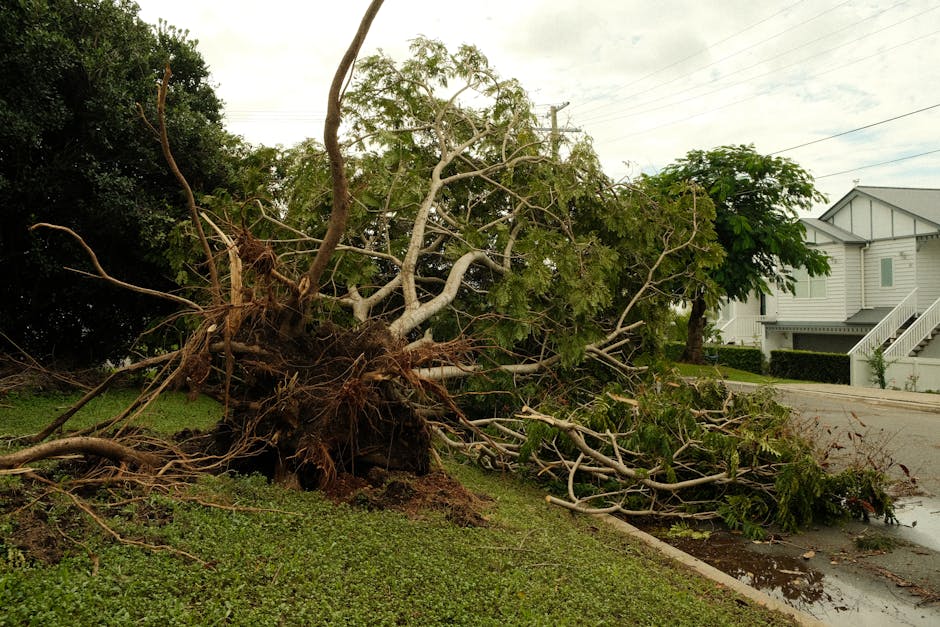
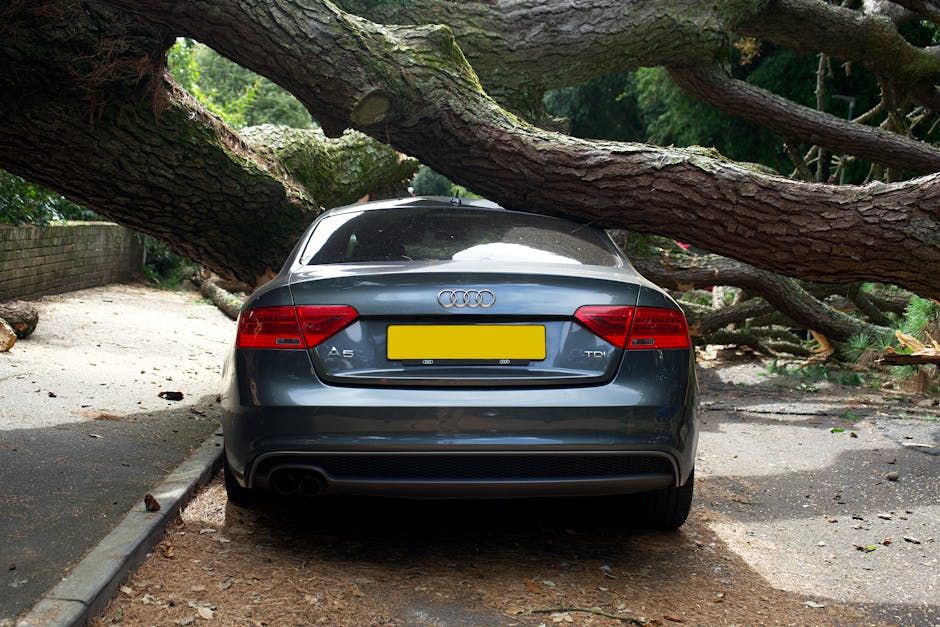
When a storm rolls through Mortlake, the garden can go from tidy and calm to messy, blocked, and a bit worrying in no time. Broken branches, fallen leaves, tipped planters, split hedges, and waterlogged lawns are more than just an eyesore. They can create real hazards, especially if a tree limb is hanging low or a path is hidden under debris. That is why Same day Mortlake gardeners for storm damage matters so much: it gives you a fast, practical way to get the space safe again before the mess gets worse.
This guide explains what urgent storm-damage garden help involves, how it works, what to expect, and how to choose the right support without making rushed decisions you will regret later. If you are dealing with a damaged boundary hedge, shattered planting beds, or a garden you simply cannot safely step into, you are in the right place.
Practical summary: the best same-day response is not just about speed. It is about making the garden safe, clearing immediate risks, and leaving you with a clear next step for longer-term repair and recovery.
Table of contents
- Why same-day storm damage help matters
- How the service works
- Key benefits and practical advantages
- Who it is for and when it makes sense
- Step-by-step guidance
- Expert tips for better results
- Common mistakes to avoid
- Tools, resources and recommendations
- Law, compliance, standards and best practice
- Options, methods and comparison
- Case study or real-world example
- Practical checklist
- Conclusion
- Frequently asked questions
Why Same day Mortlake gardeners for storm damage Matters
Storm damage in a garden often looks less serious than it is. A branch on the lawn may seem manageable until you notice it is partly split and still attached high up in the canopy. A hedge that has been flattened on one side may hide broken stems, loose fencing ties, or a section that is leaning into a neighbour's boundary. The problem is not just visual. It is about movement, weight, slip risks, and the way rain keeps pushing weak material into a worse position.
In Mortlake, where many gardens have mature trees, close boundaries, decking, patios, and narrow side access, storm aftermath can be awkward. One gust can scatter debris across a whole plot. Another can turn a simple clean-up into something that needs careful handling. To be fair, the first few hours after a storm are often the moment when quick action saves the most trouble.
Same-day help matters because it interrupts that chain reaction. It reduces trip hazards, clears blocked access, and lowers the chance of further damage from wind, water, or falling material. It also gives you breathing room. Instead of staring at the mess and trying to work out where to start, you have a plan and someone used to handling these kinds of urgent jobs.
Sometimes people assume a garden can wait until the weekend. Sometimes it can. But if there is a cracked tree limb, a damaged fence line, or a pile of wet branches blocking a path, waiting is not always the smart move. You would not leave a leaking pipe just because it is inconvenient, would you? Same idea, different kind of chaos.
If you want a broader view of the work available, it helps to look at the wider services overview and the related support for garden clearance and garden maintenance when the immediate storm risk has been dealt with.
How Same day Mortlake gardeners for storm damage Works
Same-day storm response is usually straightforward in structure, even if the work itself is messy. The aim is to assess, make safe, clear, and tidy enough that the garden can be used again without obvious danger. Not every job ends with a fully restored garden on the same day, and that is worth saying plainly. Sometimes you are dealing with triage first, restoration second.
1. Initial contact and description of the damage
You explain what happened, what time the storm hit, and what you can currently see. Good details help a lot. Is there a fallen branch? Is the fence leaning? Has the hedge been shredded? Is the decking slippery with debris? The more specific you are, the easier it is to judge urgency and bring the right kit.
2. Triage of safety issues
The first task is usually identifying anything dangerous. That may include unstable limbs, loose timber, hidden glass, sharp snapped branches, or wet surfaces. If a tree looks compromised, it may need a more careful approach than ordinary pruning. The point is to remove immediate hazards without making the situation worse.
3. Clearing and containment
Once the risk is understood, the team clears visible debris, gathers loose material, and contains waste so it does not spread again in the wind. Branches may be cut down into manageable sections, and broken hedge material may be cut back to a stable point. If the garden has been hit hard, this stage can feel very satisfying. The place starts to breathe again.
4. Light repair or stabilisation
Where possible, the work may include temporary stabilisation. That might mean tidying torn hedge edges, straightening light garden features, or securing minor issues until a fuller repair can happen. It is usually wiser to stabilise than to over-promise a perfect finish under pressure.
5. Advice on the next steps
After the immediate clean-up, you should get sensible guidance on what needs further attention. That could involve hedge recovery, lawn repair, tree lopping and removal, or longer-term landscaping through landscaping or landscape gardening if the storm has changed the layout of the garden in a bigger way.
Key Benefits and Practical Advantages
The obvious benefit is speed. The less obvious benefit is confidence. When a garden has been battered by wind and rain, people often do not know what is safe to touch. Same-day help removes that uncertainty and gives you back control. That is huge, especially if children, pets, tenants, or elderly family members use the space.
- Reduced safety risk: loose branches, slippery surfaces, and hidden debris are dealt with quickly.
- Less secondary damage: damp debris left in place can crush grass, stain paving, and damage planting.
- Better neighbour relations: boundary issues and shared fences are easier to manage when addressed early.
- Faster return to normal: your garden becomes usable again sooner, even if a second visit is needed later.
- More efficient planning: once the immediate mess is cleared, you can judge what should be repaired, replaced, or redesigned.
There is also a practical financial angle, though nobody likes to think about that in the middle of a wet, windy mess. A small urgent response can sometimes prevent a larger repair later. For example, a snapped branch left rubbing against a fence can cause more damage overnight. A waterlogged pile of leaves left on a lawn can smother the turf. Little things snowball. Fast action helps stop the snowball.
If you are comparing providers, it is sensible to check pricing and quotes early so you know what level of service and response is realistic for the job at hand.
Who This Is For and When It Makes Sense
Same-day storm damage gardening is not only for dramatic emergencies. It suits a wide range of situations, from major disruption to small-but-annoying damage that needs prompt attention. Truth be told, some of the most useful same-day jobs are the ones that seem modest at first glance.
- Homeowners with fallen branches, torn hedges, or blocked access paths.
- Landlords and letting agents who need a garden made presentable and safe between tenancies or inspections.
- Older residents who cannot safely handle wet debris, heavy branches, or awkward cleanup work.
- Busy families who need the outdoor space back quickly after school runs, pets, and everyday life resume.
- Businesses or managed properties where a tidy, safe exterior matters for appearance and access.
It makes sense when the damage affects safety, access, or the ability to use the garden properly. It also makes sense if you are unsure how much hidden damage exists. A quick professional look can be more valuable than guessing. Why gamble with a ladder, a saw, or a heavy branch when the weather has already done enough damage for one day?
If the storm has also exposed wider maintenance problems, it can be worth pairing urgent work with follow-up support such as hedge trimming, lawn mowing, or ongoing garden maintenance once conditions settle.
Step-by-Step Guidance
If you need urgent help after storm damage, the best approach is calm, methodical, and safe. That sounds obvious, but in the moment people often rush. A wet morning, a crunchy branch underfoot, the smell of broken foliage, and suddenly everyone wants to grab the nearest tool. Slow down a little.
- Walk the boundary carefully. Look for obvious hazards such as hanging branches, loose fencing, cracked posts, and debris on paths.
- Keep clear of unstable trees or walls. If anything looks tilted, split, or partially collapsed, do not stand under it.
- Photograph the damage. This helps with your own record and any follow-up discussion about repairs.
- Note access issues. Mention tight side gates, locked entries, pets in the garden, or shared access with neighbours.
- Describe the priority in plain English. Say what is unsafe, what is blocked, and what needs to be usable by tonight.
- Ask what can be done the same day. Be clear about whether you need emergency clearance, light restoration, or full cleanup.
- Confirm waste handling. Ask how green waste, broken timber, and mixed debris will be removed or separated.
- Plan the follow-up work. Storm jobs often lead naturally into replanting, repair, or longer-term improvements.
A small but useful tip: do not try to "pretty up" the damage before speaking to a gardener if doing so means moving dangerous material. Let the person handling the job decide what should move first. It is one of those situations where a little restraint goes a long way.
Expert Tips for Better Results
There are a few habits that make urgent storm cleanup go more smoothly. They are simple, but they make a difference.
- Prioritise the hazard, not the mess. A garden full of leaves looks bad, but a half-suspended branch is the real issue.
- Leave cutting to the right point. Snapping branches at random can cause more tearing and delay recovery.
- Check the soil and roots. After heavy rain, ground movement can make even a small tree or post less stable than it appears.
- Watch for hidden damage in decking or paving. Storm debris can trap water and create slippery areas. If decking is involved, decking services may be relevant for repair or replacement after the immediate cleanup.
- Keep pets and children away from the work zone. It sounds basic, but people forget once the garden starts looking "almost fine".
- Think in phases. Same-day work is often the first phase, not the whole story.
In our experience, the best outcomes come from a clear brief and a realistic expectation. If you want a quick reset, say so. If you want the garden brought back to a neat, presentable standard in one visit, say that too, but be open to the fact that a major storm can leave behind issues that need a second round. That is not a failure. It is just the nature of weather.
Expert takeaway: good storm-damage response is less about dramatic rescue work and more about steady judgement. Make it safe, remove what is loose, then decide what genuinely needs repair.
Common Mistakes to Avoid
Storm cleanup creates a false sense of urgency. People rush in, and that is where mistakes happen. Here are the common ones we see time and again.
- Trying to move heavy branches alone. Wet timber is heavier than it looks. A branch that seems manageable can twist awkwardly and cause injury.
- Cutting without checking what is supporting what. One wrong cut can send a branch shifting into a fence, shed, or pathway.
- Ignoring partially damaged trees. If a limb is split but still hanging, it should not be treated like ordinary prunings.
- Leaving debris on lawns too long. Grass can yellow or flatten if it stays covered in wet matter.
- Forgetting drainage and runoff. Storm damage often leaves blocked gullies, puddling, and compacted soil behind.
- Focusing on appearance before safety. A neat surface means little if a hidden hazard is still there.
Another easy mistake is under-briefing the job. If there is a side return, a shed roof with debris on it, or a narrow passage that already feels tight, say so at the start. It helps the team bring the right approach and avoid delays. Small detail, big difference.
Tools, Resources and Recommendations
You do not need a shed full of specialist kit to get started, but there are some practical tools and resources that help before and after the gardeners arrive. These are not glamorous items. Still, they matter.
- Gloves and sturdy footwear for any basic visual check.
- Phone camera to record damage before anything is moved.
- Basic torch if the storm hit late in the day and visibility is poor.
- Bin bags or tubs for small loose debris if it is safe to collect.
- Notebook or phone notes to list hazards and questions for the gardener.
For longer-term garden recovery, it helps to think beyond the clean-up. A damaged garden often benefits from a staged plan: clearance first, then repair, then maintenance. If overgrowth has made the storm damage harder to assess, a mix of garden clearance and hedge trimming can create a cleaner starting point. If the storm has affected trees, then tree lopping and removal may need to be discussed carefully.
It is also sensible to ask about waste handling and sustainability. Good practice usually means sorting green waste where possible and keeping recoverable material out of general rubbish. You can review a provider's approach through their recycling and sustainability information if that matters to you, and for many people it does.
Law, Compliance, Standards and Best Practice
Storm damage work is not usually about complex legal procedure, but there are still sensible standards to follow. The main one is simple: do the work safely and do not create new risks while clearing old ones. In the UK, garden professionals are generally expected to work with appropriate care around sharp tools, unstable structures, and waste handling. That is standard good practice, not a grand claim.
For the homeowner or tenant, the key concern is usually duty of care. If a branch or broken fence is likely to injure someone or block access, it should be addressed promptly. If the damage affects a shared boundary, neighbour communication may be needed too. Keep that conversation calm. It saves hassle, honestly.
It is also wise to choose a provider with clear safety thinking and insurance awareness. You are not being fussy by asking about it. You are being sensible. A responsible local business should be comfortable discussing its health and safety policy and insurance and safety approach in plain language.
Where privacy, payment, and terms matter, you can also check the company's published pages on payment and security, terms and conditions, and privacy policy. Those pages do not fix storm damage, of course, but they do help you understand how the service is handled behind the scenes.
Options, Methods and Comparison
Not every storm-damaged garden needs the same kind of response. The right choice depends on how urgent the risk is, how much material is involved, and whether the issue is cosmetic, structural, or both.
| Option | Best for | Typical outcome | Limitation |
|---|---|---|---|
| Same-day emergency garden response | Fallen branches, unsafe access, obvious hazards | Immediate making-safe and quick clearance | May not include full restoration |
| Scheduled storm cleanup | Messy but not urgent gardens | Thorough tidy-up and removal | Less useful if there is a safety risk |
| Clearance plus maintenance | Overgrown gardens hit by wind and rain | Cleaner, more manageable space | May take more than one visit |
| Clearance plus landscaping | Gardens needing recovery or redesign | Longer-term improvement and repair | Requires more planning and budget |
If the storm has only scattered debris, a same-day tidy may be enough. If it has revealed weak planting, exhausted borders, or broken hard landscaping, a more complete response makes more sense. In some cases, a blend of immediate intervention and follow-up landscaping is the most practical route. No drama, just sensible sequencing.
Case Study or Real-World Example
Here is a realistic example based on the kind of situation many Mortlake gardens face after strong wind and heavy rain.
A homeowner wakes up to find a mature shrub partly torn over, several branches across the patio, and one section of hedge bent into the side path. The garden is still standing, so to speak, but it is awkward to use and feels unsafe near the tree line. The first instinct is to clear the patio quickly, yet a closer look shows one large branch is still attached and shifting in the breeze. That changes everything.
A same-day gardener is brought in. The immediate work focuses on making the area safe, removing loose debris, and cutting back the torn hedge to a stable point. The patio is cleared, access is restored, and the homeowner can use the back door again without stepping around wet branches. The next day, after the rain eases, the garden can be assessed for deeper recovery: root disturbance, lawn repair, and whether the damaged shrub should be replaced.
That is the value of the same-day response. It does not magically undo the storm. But it stops the damage becoming a bigger problem, and that is often enough to feel like a small victory after a rough night. You will notice the difference immediately when the path is clear and the air feels less tense.
Practical Checklist
Use this before you call for help or while you wait for the team to arrive.
- Check for hanging branches, leaning trees, or split stems.
- Keep people and pets away from unstable areas.
- Look for blocked paths, slippery decking, or hidden debris.
- Note any damaged fences, sheds, planters, or borders.
- Take clear photos from a safe distance.
- Describe access points and parking restrictions.
- Ask whether the job is emergency clearance or wider restoration.
- Confirm what waste will be removed and what will be left for a follow-up visit.
- Ask about next-step repairs if the storm has exposed deeper issues.
- Review any terms, payment, and safety information before the work begins.
If you want one quick rule to remember, make it this: if you would not feel comfortable standing under it, do not try to fix it yourself. Simple, but useful.
Conclusion
Storm damage in a garden is frustrating because it feels personal. The space you usually rely on for quiet, fresh air, and a bit of order suddenly looks rough, noisy, and out of control. Same-day Mortlake gardeners for storm damage offer something very practical in that moment: calm, fast, safety-first help that turns chaos into a manageable plan.
The best response is not rushed, and it is not flashy. It is careful assessment, safe clearance, and honest guidance about what needs to happen next. Whether you are dealing with a fallen branch, a battered hedge, or a garden that simply needs a quick reset after heavy weather, the right approach can save time, reduce stress, and prevent a small problem from becoming a bigger one.
Get a free quote today and see how much you can save.
And if the wind is still rattling the fence as you read this, take a breath. The garden can be repaired. One step at a time, that is usually enough.
Frequently Asked Questions
What counts as storm damage in a garden?
Storm damage usually means anything caused by strong wind, heavy rain, or sudden weather impact that affects safety, access, or the condition of the garden. That can include fallen branches, split hedges, leaning shrubs, broken fencing, and debris scattered across paths or lawns.
Can same-day gardeners remove fallen branches safely?
Yes, if the situation is suitable for urgent garden work. A good gardener will first check whether the branch is still partly attached or under tension. If it is unstable, the area should be handled carefully rather than dragged or cut casually.
Do I need emergency help if the garden just looks messy?
Not always. If the issue is only cosmetic, you may be fine booking a scheduled clean-up. If there are safety hazards, blocked access, or damaged trees and fences, same-day help makes much more sense.
How quickly can a same-day garden response happen?
That depends on workload, daylight, weather conditions, and the type of damage. Same-day usually means the job is handled on the day you contact the gardener, but it is sensible to ask what window is realistic.
What should I tell the gardener when I call?
Explain what the storm damaged, whether anything is unsafe, whether access is blocked, and whether there are pets, side gates, or neighbour boundaries to consider. Short, clear details help the team prepare properly.
Will storm damage cleanup include waste removal?
It often does, but you should confirm this in advance. Some jobs include removal of all green waste and debris, while others focus on making safe first and arranging fuller clearance afterwards.
What if a tree looks dangerous after the storm?
Do not stand under it or try to cut it yourself. A damaged tree can shift unexpectedly. It is better to treat it as a safety issue and get professional advice, especially if branches are hanging or the trunk looks split.
Can storm damage affect decking and patios too?
Yes. Wet debris, loose fixings, and fallen material can make hard surfaces slippery or damaged. If the storm has affected timber areas, it may be worth looking at related decking services once the immediate clearance is done.
Is same-day storm cleanup more expensive?
It can be, because urgent response usually needs quicker scheduling and immediate attention. The exact cost depends on the size of the job, how hazardous it is, and whether removal or follow-up repairs are included. Asking for a clear quote is the safest route.
Should I wait for dry weather before booking?
Only if the damage is minor and safe to leave. If there are hazards, blocked access, or unstable debris, it is usually better not to wait. A damp garden is awkward, yes, but leaving a risk in place is worse.
What follow-up work is common after storm damage?
Common follow-up work includes hedge reshaping, tree reduction, lawn recovery, border repair, and wider tidying. In some cases, the garden may benefit from longer-term garden maintenance or broader landscape gardening if the storm exposed a larger problem.
How do I know if a gardener is trustworthy for urgent work?
Look for clear communication, sensible safety advice, transparent pricing, and a willingness to explain what can and cannot be done immediately. A trustworthy provider should also be comfortable pointing you to relevant company information such as about us and insurance and safety.