Mortlake Green Small Garden Access Problems Solved by Gardeners
Small gardens can be lovely, but access is often the bit that turns a simple job into a headache. Narrow side passages, shared entrances, awkward steps, delicate paving, and not much room to swing a spade let alone move soil - it all adds up. If you are dealing with Mortlake Green small garden access problems solved by gardeners, the good news is that experienced gardeners are used to these constraints and know how to work around them without making a mess of the place.
In a compact Mortlake Green garden, the challenge is rarely the planting itself. It is getting tools in and waste out, protecting the route through the property, and completing work efficiently when every square metre matters. This guide explains how gardeners approach these access issues, what practical solutions actually work, when professional help makes sense, and how to avoid the usual mistakes. A small garden should not feel like a logistical puzzle every time it needs attention. Honestly, it really should not.
- Why access problems matter in small gardens
- How gardeners solve tight-access jobs
- Benefits and practical advantages
- Who this is for
- Step-by-step guidance
- Expert tips for better results
- Common mistakes to avoid
- Tools, resources and recommendations
- Law, compliance and best practice
- Options and comparison table
- Case study or real-world example
- Practical checklist
- Conclusion
- Frequently asked questions
Why Mortlake Green small garden access problems solved by gardeners Matters
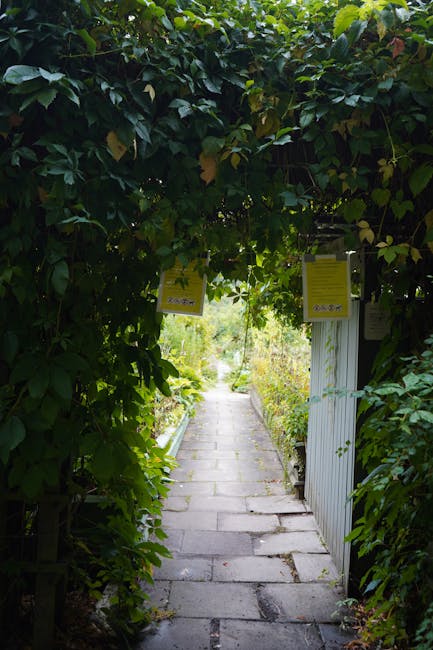
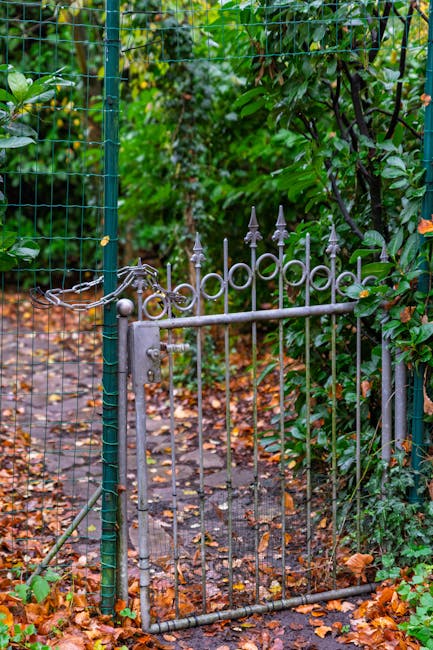
Access issues are not just a nuisance. In a small garden, they shape what can realistically be done, how long the job will take, and whether the end result looks tidy or a bit battered. A narrow gate can stop a wheelbarrow. A steep step can make loading awkward. A long carry through the house can slow everything down and increase the chance of scratches, mud, and accidental damage. That is why Mortlake Green small garden access problems solved by gardeners matters so much: the right approach protects both the garden and the property.
Small urban and suburban gardens often have a few predictable constraints. Side returns can be tight, paths can be shared, and rear access can be limited by fences, neighbours, or locked gates. In practice, that means even routine tasks like hedge trimming, lawn care, garden clearance, or landscaping can become more demanding than they first appear. A gardener who understands access planning is not only saving time - they are making the work safer and cleaner.
There is also a visual side to it. When a garden is compact, every mark matters. A muddy boot print on paving, a stack of green waste left too long, or a damaged sleeper can change the feel of the whole space. A thoughtful gardener will treat access as part of the job, not an afterthought. To be fair, that is often what separates a decent service from a frustrating one.
If you are comparing wider garden support, it can help to understand the broader range of work available through services overview and the practical follow-on tasks covered by garden maintenance. Small access problems often affect ongoing care just as much as one-off jobs.
How Mortlake Green small garden access problems solved by gardeners Works
Solving a tight-access garden job starts with planning, not digging. A good gardener will usually look at the route in and out, check where equipment can be stored, identify fragile surfaces, and decide how waste will be removed. It sounds straightforward, but that early thinking saves a lot of trouble later. You would be surprised how often a job becomes easier simply because the access route has been properly mapped out first.
In many cases, the solution is a combination of smaller tools, cleaner working methods, and more organised sequencing. Instead of bringing in bulky equipment that cannot turn properly, gardeners may use compact hand tools, lightweight bags for waste, and staged removal so that the path never gets blocked. If a lawn needs mowing in a very tight garden, for example, the approach may focus on using manageable-sized mowers and trimming edges before the main cut. That avoids having to double back constantly.
For structural jobs, access planning can include temporary protection for paths, careful movement of materials, and, where needed, break-down removal of debris in smaller loads. This is especially useful for clearance work and heavier garden tasks. If there is overgrown vegetation or clutter, a dedicated garden clearance service can be a better fit than trying to squeeze everything into a standard visit.
When access problems are caused by plants themselves - for example, a hedge that has narrowed the route or branches that snag on the way through - the solution may also involve targeted trimming or pruning. The key is to treat access as part of the garden design and maintenance plan, not as a separate annoyance. Once you do that, things get much easier. Not perfect, but much easier.
Key Benefits and Practical Advantages
There are several clear reasons to solve access issues properly rather than working around them casually. Some are obvious; others only become obvious after something has gone wrong.
- Less damage to property: Narrow routes are where walls get brushed, paving gets chipped, and doors get marked. Controlled access reduces that risk.
- Cleaner results: Better planning means less soil dragged through the house, fewer piles of waste, and tidier finishing.
- Faster completion: A compact garden can still be efficient if the route is right and tools are chosen well.
- Safer working: Fewer awkward lifts and less congestion reduce the chance of slips, trips, and strain injuries.
- Better plant protection: In a small space, it is easy to crush borders, bend stems, or compact soil. A careful process avoids this.
- More usable space: Once access is improved, routine garden care becomes far less stressful for everyone involved.
There is also a long-term benefit that people sometimes miss. If the way into the garden is improved even slightly, future maintenance becomes cheaper and less disruptive. A narrow passage cleaned up properly, a hedge cut back at the right points, or a path kept clear can make every future visit smoother. That sort of change is small on day one, but it adds up over time.
If you are thinking more broadly about layout, hard surfaces, or creating pathways that help movement through a compact outdoor space, landscape gardening and landscaping can be useful when access problems are affecting how the whole garden functions.
Who This Is For and When It Makes Sense
This sort of help is ideal for homeowners and landlords with small rear gardens, side returns, courtyard spaces, or shared-access properties. It also suits anyone who wants regular upkeep but keeps putting it off because the access is awkward. Let's face it, if carrying cuttings out the back feels like a mini obstacle course, you are less likely to keep on top of the garden.
It makes sense in situations like these:
- the only route into the garden is through a narrow passage or side gate
- there are steps, uneven surfaces, or a tight turn that limits what can be carried through
- the garden is small, but overgrown, so movement is even more restricted
- you need clearance or maintenance without disturbing the inside of the house too much
- the space is shared with neighbours, tenants, or other users and needs a considerate approach
- you want a one-off tidy-up before selling, letting, or simply reclaiming the space
It also makes sense when access is not terrible, but not ideal either. In that grey area, a local gardener can often save time by planning the job in a way that a general DIY attempt would not. The difference is often in the details: how waste is bagged, where tools are staged, which order the work happens in, and whether the route stays clear from start to finish.
Step-by-Step Guidance
If you are trying to work out how a gardener would tackle a small garden with access issues, here is the usual sequence. It is not glamorous, but it is effective.
- Assess the access route. Measure the width of gates, passages, and any tight corners. Note steps, slopes, and surfaces that might need protection.
- Identify the main task. Is the job maintenance, clearance, hedge trimming, lawn care, or a redesign? The access plan depends on the job itself.
- Choose suitable tools. Compact tools and lighter kit are often better than trying to force larger equipment into a space that cannot really take it.
- Protect the route. Cover delicate paving if needed, keep bags off soft borders, and make sure mud and cuttings do not spread through shared areas.
- Work in the right order. For example, trim high growth first, clear waste in stages, then finish with lawn or border detailing.
- Remove waste efficiently. Small-load removal is often safer and cleaner than waiting until everything is piled up in one awkward heap.
- Check the finish. Once the work is done, the route should be as clean and undisturbed as possible. That final sweep matters more than people think.
When access is especially tight, a gardener may also split the job into multiple visits. That is not a failure. Sometimes it is the smartest way to work. A neat two-visit plan is better than cramming everything into one day and leaving the place looking half-finished. And nobody wants that.
For routine upkeep that must fit around limited access, lawn mowing, hedge trimming, and tree lopping and removal may each need slightly different handling, so it pays to match the method to the space.
Expert Tips for Better Results
Here are the habits that usually make a real difference in tight-access gardens.
- Measure before the work starts. Guessing is a classic mistake. A tape measure is boring, yes, but useful.
- Clear the route first. Even a couple of bikes, planters, or stored bags can turn a workable passage into a nuisance.
- Keep waste moving. Do not let clippings and soil accumulate in the only exit route.
- Protect fixed surfaces early. Once a scratch is there, it is there. Simple coverings can avoid a lot of regret.
- Use the right cutting strategy. In small gardens, precision matters more than brute force.
- Think about the next visit. If access can be improved now, future maintenance gets easier and less expensive.
One practical observation from working in compact gardens: the cleanest jobs tend to be the ones where the gardener leaves the route better than they found it. That might mean lifting a few awkward pots, sweeping away loose grit, or cutting a hedge back just enough to restore a usable passage. Small detail, big impact.
If you are choosing a provider, it is sensible to ask how they handle access before the job starts. Good questions include whether they bring compact tools, how they remove waste, and what they do to protect paving and thresholds. If they answer confidently and plainly, that is usually a good sign. If they get vague, well... maybe not.
Common Mistakes to Avoid
Small garden access jobs go wrong in predictable ways. The good news is that most of them are avoidable.
- Not checking width properly: A gate that looks fine from a distance may be too narrow for the kit you intended to use.
- Assuming waste removal will be easy: Green waste piles up fast. In a compact garden, that pile can become the biggest obstacle.
- Leaving the route cluttered: Tools, hoses, and prunings all create friction if they are not managed as you go.
- Using oversized equipment: Bigger is not better if it cannot move safely through the space.
- Ignoring fragile surfaces: Old paving, loose gravel, and soft lawn edges need a bit of care.
- Skipping the finishing pass: A half-cleaned route makes the whole job feel unfinished.
Another mistake is trying to solve a clearance problem with brute force when a gentler, staged approach would be smarter. Sometimes people think a job will be quicker if they just keep going. In reality, that is how damage happens. The longer route can actually be the shorter route, if you see what I mean.
For larger overgrowth or a garden that has become difficult to move around in at all, a proper garden clearance approach is often better than piecemeal tidying. It clears the bottleneck first, which helps everything else fall into place.
Tools, Resources and Recommendations
For tight-access gardens, the most useful tools are often the least flashy. Compact hand tools, folding saws, lightweight shears, manageable waste bags, protective sheeting, and a decent broom can do more than bulky equipment in the wrong setting. A gardener who knows how to work with the space, rather than against it, will usually have a mixed toolkit rather than a one-size-fits-all setup.
Useful recommendations include:
- Compact cutting tools for precise trimming in borders and near fences
- Heavy-duty garden bags for controlled waste removal in small loads
- Surface protection materials for paving, thresholds, and other vulnerable areas
- Measuring tape to confirm gate and passage widths before the day begins
- Staging plan so tools, bags, and clippings do not all occupy the same cramped corner
On a practical level, it also helps to keep a simple access note for future visits. For example: which gate is easiest to open, whether the bin storage area blocks the route, where waste can be left temporarily, and what time of day the route is usually clear. It sounds a bit over-organised. Still, those notes can save a proper faff later.
If you are comparing service choices, the pricing and quotes page can help you think through the scope of the work, while insurance and safety matters if access is awkward or the property has delicate surfaces and shared areas that need care. For sustainability-minded clients, recycling and sustainability is worth considering too, especially when clearance waste is involved.
Law, Compliance, Standards, or Best Practice
Access work in gardens is not usually about complicated legal rules, but there are still sensible UK best-practice expectations. Gardeners should work carefully around property boundaries, shared access routes, and neighbour areas. They should also avoid causing preventable damage, keep walkways reasonably clear during work, and manage waste in a way that does not create hazards or nuisance.
Where tools, ladders, cutting equipment, or lifting are involved, safe working practices matter. That includes sensible manual handling, stable footing on uneven ground, and not overloading a person or route just because the job is small. A tidy little courtyard can still be awkward if the waste bags are too heavy or the path is damp. Nothing dramatic, just basic caution.
Professional gardeners should also be clear about what is included in the job, how access will be handled, and what happens if conditions on site are different from expected. That is part of good service and good communication. If you want a sense of how a company approaches professionalism more broadly, you may also find about us useful, along with the site's health and safety policy and accessibility statement.
For customers, the best practice is simple: describe the access accurately, mention any shared routes or delicate surfaces, and flag anything that could affect the work. The more honest the briefing, the smoother the result. That bit really does save everyone time.
Options, Methods, or Comparison Table
There is more than one way to handle small garden access. The right choice depends on how tight the space is, how much work is needed, and how often the garden needs attention.
| Method | Best for | Strengths | Limitations |
|---|---|---|---|
| Compact maintenance visit | Routine tidying, mowing, light pruning | Quick, tidy, low disruption | Not suitable for heavy overgrowth or clutter |
| Staged clearance | Overgrown or congested gardens | Safer waste handling, easier movement | May take more than one visit |
| Access-led landscaping | Layout changes and improved movement | Can permanently improve usability | Requires more planning and budget |
| Targeted trimming only | Narrow routes blocked by growth | Fast way to restore access | May not solve the underlying layout issue |
In many Mortlake Green gardens, the best answer is a mix of methods rather than one grand solution. A bit of clearance, some maintenance, and a smarter route through the space can be enough to turn a frustrating garden into a manageable one. Sometimes that is all you need. Honestly, that is often all people really want.
Case Study or Real-World Example
Picture a modest rear garden in Mortlake Green with a narrow side passage, a slightly awkward step near the gate, and a lawn that has started to creep into the edges because routine care has become too much hassle. Nothing exotic. Just one of those gardens that slowly gets harder to manage because the access is not helping.
In a situation like that, a gardener might begin by clearing the passage, trimming back the edging plants, and removing the worst of the clutter first. Then the lawn can be cut in a way that avoids dragging equipment around in circles. If the hedge is narrowing the route, a careful trim opens things up immediately. If there is a pile of old cuttings or broken pots by the back wall, those come out in smaller loads so the exit stays usable.
What changes most is not just the appearance of the garden but the feeling of it. The space suddenly feels reachable. You can stand at the back door and see a clear line through the garden instead of a jumble of obstacles. That shift matters more than people expect. It is practical, yes, but it is also a little psychological. A garden you can move through is a garden you are more likely to enjoy.
If the garden needs a more fundamental reset, then the right mix may include work from landscape gardening or a more structural landscaping approach to improve flow, even in a small footprint.
Practical Checklist
Use this before booking or starting work in a tight-access garden.
- Measure the narrowest gate, passage, and turning point
- Note any steps, slopes, or slippery surfaces
- Identify fragile paving, walls, or edging that need protection
- Remove or move items blocking the main route
- Decide whether the job is maintenance, clearance, trimming, or a redesign
- Confirm how waste will be removed from the site
- Ask whether compact tools or staged work will be used
- Check whether neighbours or shared access points need consideration
- Make sure the plan includes a clean finish, not just the main task
- Keep a note of what made access difficult so the next visit is easier
Checklist done. That little bit of prep can save a surprising amount of back-and-forth later.
Get a free quote today and see how much you can save.
Conclusion
Small garden access problems do not have to become the defining feature of your outdoor space. With the right planning, the right tools, and a gardener who understands how to work in tight conditions, even a tricky Mortlake Green garden can be managed cleanly and calmly. The aim is not to force the space into something it is not. The aim is to make it workable, maintainable, and pleasant to use.
Whether the issue is a narrow side passage, limited waste removal space, awkward steps, or growth that has simply taken over the route, there is usually a practical solution. Sometimes the fix is modest. Sometimes it is more involved. Either way, the important thing is to treat access as part of the garden itself, not a side note.
And once that is handled, the whole place tends to breathe a bit easier. That is usually the moment people realise the garden was never too small. It just needed a better way in.
Frequently Asked Questions
How do gardeners solve access problems in a small Mortlake Green garden?
They usually start by assessing the route in and out, then choose compact tools, stage the work carefully, and remove waste in smaller loads. The main goal is to keep the space usable while the job is happening.
What counts as a small garden access problem?
Anything that makes moving people, tools, or waste awkward can count: narrow gates, tight side passages, steps, uneven paving, shared entrances, or a route that gets blocked by plants or stored items.
Can a gardener work if the only access is through a narrow side return?
Yes, usually. Many jobs can be done through narrow access if the gardener plans properly and uses suitable equipment. The key is measuring beforehand and being realistic about what will fit safely.
Is garden clearance possible when access is really tight?
It often is, but it may need a staged approach. Waste may be removed in smaller loads, and bulky items may need to be broken down before being carried out. That keeps the route clear and reduces damage risk.
Will the gardener damage my paving or walls?
A careful gardener should take steps to avoid that by protecting surfaces, moving carefully, and using the right kit. You should always ask how they manage delicate routes if your access is especially tight.
How long does a small-access garden job usually take?
That depends on the work itself and how awkward the route is. A tidy maintenance visit may be fairly quick, while clearance or layout work can take longer. Access can add time, so it is best to be upfront about it.
Do I need landscaping rather than maintenance if access is the real issue?
Not always. If the route is only a little awkward, maintenance and targeted trimming may be enough. If the layout itself is the problem, then landscaping or landscape gardening may be the better long-term fix.
What should I tell the gardener before they arrive?
Give them the gate width, any steps, where access starts, what is blocking the route, and whether there are shared or sensitive areas to consider. A clear briefing leads to a much smoother visit.
Are compact tools always better for small gardens?
Usually, yes. Compact tools are easier to handle in tight spaces and reduce the chance of knocks or blocked movement. That said, the best choice depends on the task, so it is not one-size-fits-all.
What if the garden is overgrown and I can barely get to the back?
That is a common situation. The usual answer is to clear the access route first, then tackle the worst growth in a sensible order. A full garden clearance may be the cleanest starting point if the space has become heavily congested.
How do I know whether a gardener is experienced with tight access work?
Ask how they would handle the route, waste removal, surface protection, and any narrow turns or steps. Experienced gardeners tend to answer in practical detail rather than brushing the question aside.
Can access problems be improved permanently?
Yes, sometimes. Trimming back growth, adjusting the layout, improving pathways, or changing where equipment is stored can make future visits much easier. Small improvements can have a surprisingly big effect over time.